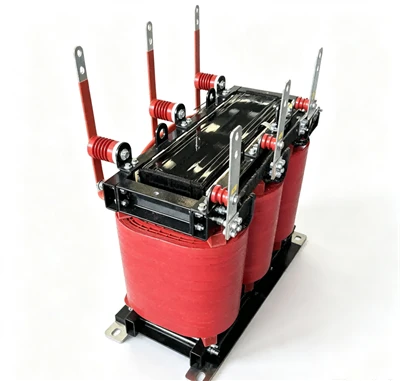
Transformer operation and maintenance mainly include four aspects: basic requirements, equipment switching operations, inspection and maintenance, and accident handling.
(1) Basic Requirements
1) High-voltage maintenance personnel must be certified to work; those without certification are not authorized to operate.
2) When power outage maintenance is required, approval must be obtained from the competent authority, and the user must be notified before proceeding.
3) Outdoor oil-immersed transformers should have their insulating oil tested annually, and indoor oil-immersed transformers should have their insulating oil tested every two years.
(2) Transformer Switching Operation Sequence: When de-energizing, first de-energize the load side, then the power supply side; when energizing, the sequence is reversed.
1) Energize from the power supply side to the load side step by step. If a fault occurs, it is easier to determine the fault range and make timely judgments and handling to prevent the fault from spreading.
2) In the case of multiple power sources, de-energizing the load side first can prevent the transformer from back-charging. If the power supply side is de-energized first, a fault may cause the protection device to malfunction. (3) Inspection and Patrol: According to the requirements of the substation safety operation regulations, in addition to the inspection and patrol required during shift handover, the operating personnel should conduct 5 inspections per shift for each substation. The inspection and patrol items are as follows:
1) Check whether the transformer temperature and sound are normal, and whether there are any abnormal odors, discoloration, overheating, or smoke. The upper oil temperature of the oil-immersed transformer should not exceed 95℃ according to the manufacturer's specifications (allowable temperature rise of 55℃). To prevent the transformer oil from deteriorating too quickly, the upper oil temperature should not exceed 85℃.
2) Keep the porcelain insulators, bushings, and magnetic surfaces clean, and observe for any cracks, damage, or discharge phenomena. The oil level of the oil-immersed transformer should meet the standard, the color should be normal, and there should be no oil leakage or spraying.
3) Check whether the fan operation sound and temperature controller indication of the dry-type transformer are normal.
4) Check whether the high-voltage, low-voltage, and grounding connections of the transformer are in good contact and whether there is any discoloration.
(4) Transformer Accident Handling
1) If any of the following situations are found, operation should be stopped immediately:
a. a. Loud internal noises and popping sounds.
b. Temperature rises rapidly under normal cooling conditions.
c. Oil spraying and smoke from the oil tank and explosion-proof container (oil-immersed transformer).
d. Severe oil leakage; oil level is no longer visible (oil-immersed transformer).
e. Transformer smokes and catches fire.
f. Bushings show severe rupture and discharge phenomena.
j. Terminal blown, resulting in single-phase operation.
2) Handling Procedures
a. First, disconnect the high- and low-voltage side switches of the transformer according to the switching operation sequence and take safety measures.
b. If the transformer cover catches fire, open the bottom throttle to lower it below the fire.
3) Accidents that require contacting the relevant department before handling and their handling procedures
a. When the transformer load exceeds the operating regulations, report to the superior immediately and monitor the load and temperature.
b. Abnormal sounds, overheating or melting of terminals should be reported to the superior immediately so that timely measures can be taken.
c. If the transformer temperature exceeds the allowable temperature rise, the cause should be investigated as soon as possible. Check if the three-phase load is balanced (whether there is an inter-turn short circuit), whether the transformer cooling system is functioning properly, whether the on-load tap changer has poor contact, and whether there is a short circuit between the silicon steel sheets in the transformer core.
4) Handling of light gas tripping in oil-immersed transformers, issuing alarm signals, and signal relay tripping:
a. First, investigate the cause: whether there is oil leakage causing a drop in oil level, a transformer fault producing a small amount of gas, an internal short circuit causing an increase in oil temperature, whether there is gas inside the gas relay, and the secondary circuit and gas protection device.
b. Handling method: Immediately shut off the alarm signal, restore the signal plate, turn the switch handle to the open position, and disconnect the trip plate of the heavy gas protection. If the gas relay is faulty internally, it should be replaced promptly.